
In the world of Indian real estate, success is often measured in square feet, project count, and sales figures. But for Lalit Kumar Jain, former Chairman of Kumar Builders, the true measure of a developer’s impact has always extended well beyond the buildings themselves. His career offers a compelling lesson: that real estate at its best is not just about constructing homes — it is about constructing better communities, healthier environments, and more equitable societies.
This is the story of Lalit Kumar Jain’s Corporate Social Responsibility (CSR) journey — one built quietly, consistently, and with the same values that define every Kumar Builders project: integrity, purpose, and long-term thinking.
A Developer Who Always Thought Beyond the Project
From the very beginning of his leadership at Kumar Builders, Lalit Kumar Jain operated with a philosophy that placed the community at the heart of every development decision. Where other developers saw land and returns, he saw neighbourhoods, families, and futures.
This mindset didn’t emerge from a corporate policy document — it was woven into the company’s DNA. Founded in 1966 as Kumar and Co., Kumar Builders was built on the principle that a developer’s responsibility does not end at the boundary wall of a project. It extends to the streets, schools, health centres, and green spaces that define how people actually live.
Under his stewardship, this thinking evolved into structured, meaningful social initiatives that touched multiple dimensions of community life.
Environmental Responsibility: The "Green Man of Pune"
Perhaps the most visible expression of Lalit Kumar Jain’s CSR philosophy is his longstanding commitment to sustainable and eco-friendly development — an approach so integral to his identity that it earned him the title: “Green Man of Pune”.
Long before environmental sustainability became an industry buzzword or regulatory requirement, he was designing residential projects around green landscapes, open spaces, and nature-integrated planning. At a time when urban developers across India were maximising built-up area at the expense of greenery, Kumar Builders was deliberately setting aside space for trees, gardens, and breathing room.
This wasn’t marketing — it was a genuine development philosophy rooted in the belief that residents deserve to live in environments that support their physical and mental wellbeing. Projects like KUL EcoLoch and Kul Utsav stand as tangible expressions of this commitment — residential communities where green planning, open spaces, and lifestyle balance are not afterthoughts but core design principles.
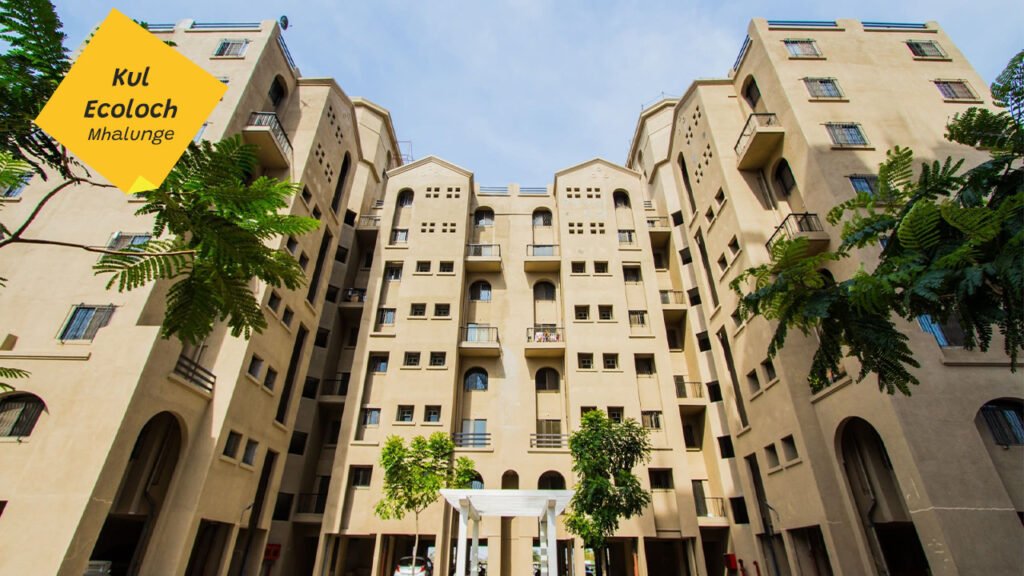
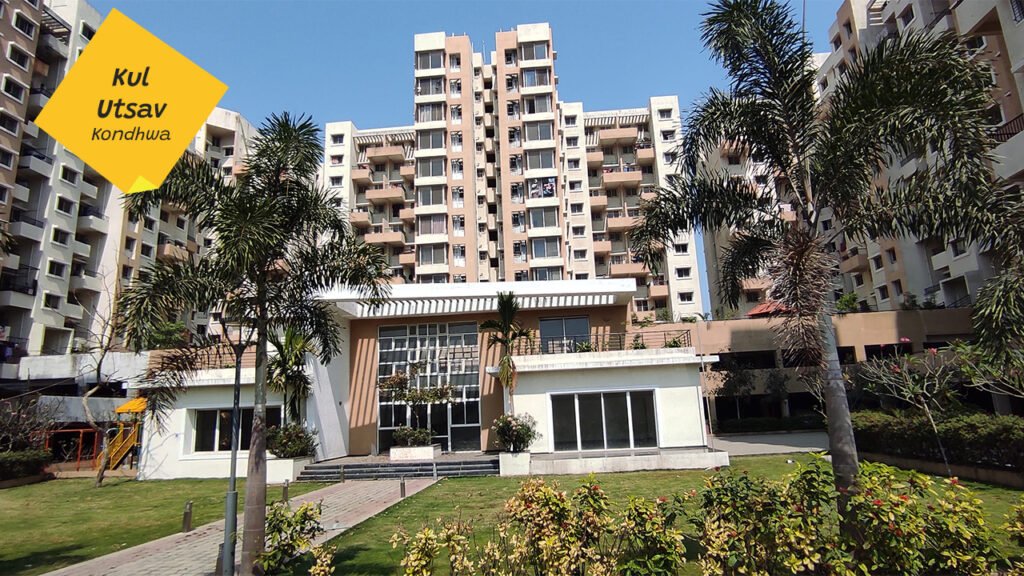
The message was clear: building responsibly for the environment is not separate from building responsibly for customers. The two are inseparable.
Social Welfare: Education, Healthcare, and Inclusive Growth
Beyond environmental initiatives, Lalit Kumar Jain has directed meaningful efforts toward social welfare programmes that address some of India’s most pressing challenges.
His CSR contributions span:
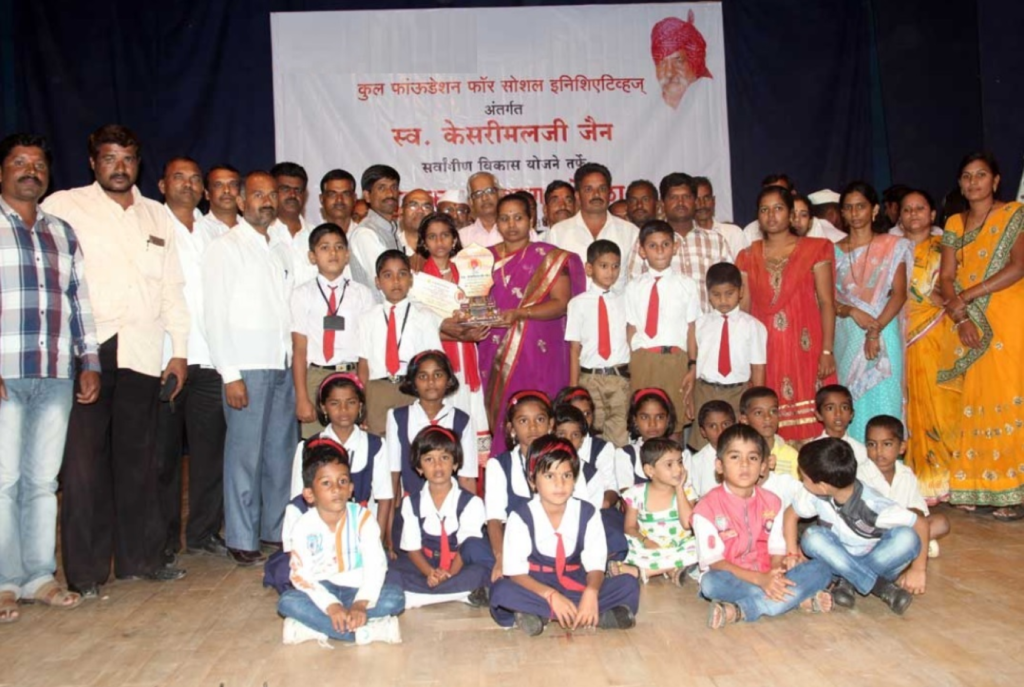
Education — Supporting initiatives aimed at improving access to quality learning for underprivileged children and communities, recognising that education is the most durable form of infrastructure any society can build.
Healthcare — Contributing to health-related programmes and facilities that make basic medical care more accessible to those who need it most, particularly in underserved urban communities.
Community Welfare — Funding and supporting programmes that uplift marginalised sections of society, promote social inclusion, and help communities become more self-sustaining over time.
These initiatives reflect a belief that real estate developers — who profit from and shape urban spaces — carry a corresponding obligation to reinvest in the communities that surround those spaces. Wealth created in a city should, at least in part, flow back to those who make that city function.
Industry-Level Reform: CSR Through Institutional Leadership
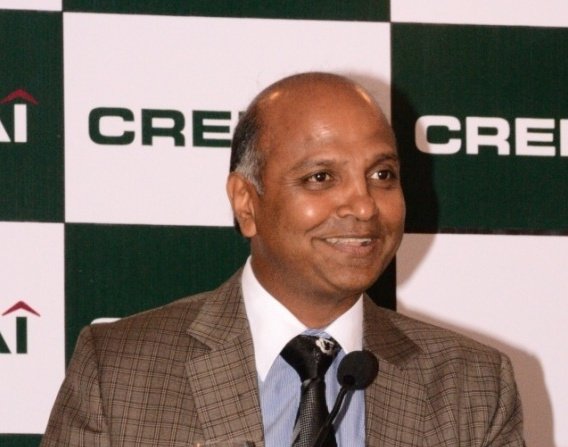
One of the most underappreciated dimensions of Lalit Kumar Jain’s CSR impact is the work he carried out not through donations, but through industry reform. As National President of CREDAI (2011) and subsequently National Chairman, he used these platforms to push for systemic changes that would benefit millions of homebuyers across India.
His advocacy for RERA (Real Estate Regulation and Development Act) was, in its essence, a form of CSR at scale. By pushing for greater transparency, defined timelines, and builder accountability, he helped create a regulatory environment where ordinary homebuyers — often investing their life savings — would have legal protections they had previously lacked.
His “Mission Transparency” initiative went further, promoting a culture of openness and honesty across the developer community. At a time when the real estate sector in India had a poor reputation for opacity and broken promises, this was not a small gesture. It was an attempt to rebuild public trust in an entire industry.
When millions of homebuyers can enter into property transactions with greater confidence and legal protection, that is a form of social impact that no single donation or programme can match.
Building Communities, Not Just Complexes
The thread running through all of Lalit Kumar Jain’s CSR work — environmental, social, and institutional — is a single, coherent idea: that the purpose of real estate development is to improve human lives.
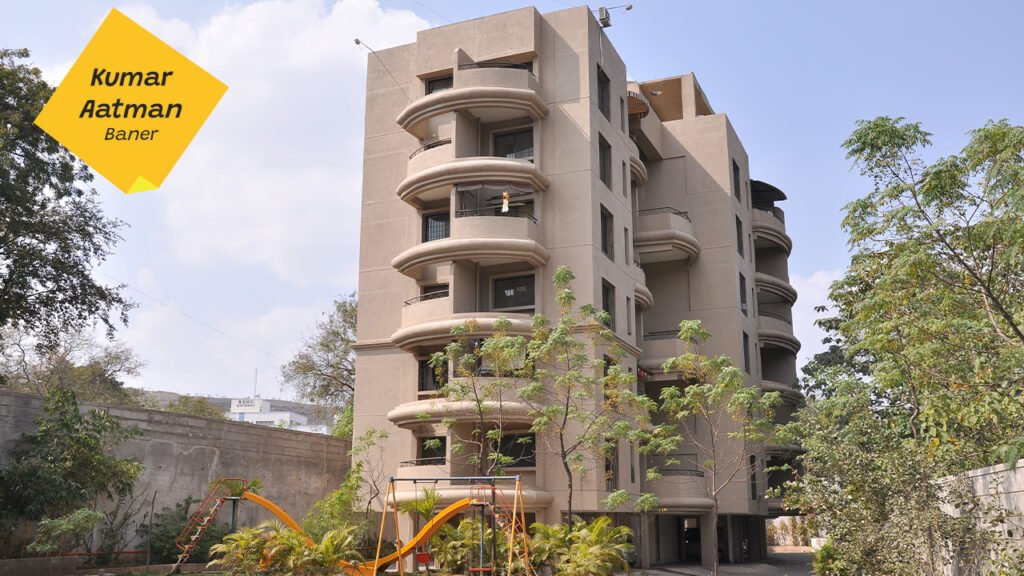
This shows up in the physical design of Kumar Builders’ projects. At Kul Utsav, residents find not just well-designed flats but landscaped gardens, children’s play areas, fitness zones, walking paths, and community spaces — all carefully planned to foster social connection, physical health, and family wellbeing. At Kumar Aatman and KUL EcoLoch, the same philosophy manifests in thoughtfully integrated green environments and community-focused amenities.
These are not luxury add-ons. They are the developer’s acknowledgment that homes exist within communities, and communities require nurturing.
The Legacy: A Model for Responsible Development
As Indian real estate continues to grow at a rapid pace — with new cities expanding, old ones densifying, and millions of families making the single largest financial decision of their lives — the question of how developers conduct themselves has never been more important.
Lalit Kumar Jain’s CSR journey offers a practical model: one where environmental responsibility, social investment, and institutional reform are not treated as optional extras or PR exercises, but as fundamental obligations of ethical leadership.
His legacy demonstrates that it is entirely possible to build a commercially successful real estate enterprise while simultaneously contributing to cleaner environments, more equitable communities, and a more trustworthy industry. The two are not in tension — when done right, each reinforces the other.
Kumar Builders’ 125+ delivered projects are not just a business achievement. They are a record of communities created, families housed, and a city shaped — guided at every step by a leader who understood that brick and mortar, alone, are never enough.
Conclusion
The buildings that Lalit Kumar Jain helped create will stand in Pune for decades. But his most enduring legacy may be the idea he championed — that a real estate developer’s responsibility to society does not end at the boundary of a project. It extends to the air people breathe, the communities they belong to, the schools their children attend, and the fairness of the system in which they invest their trust.